Prevention first: use a mattress protector
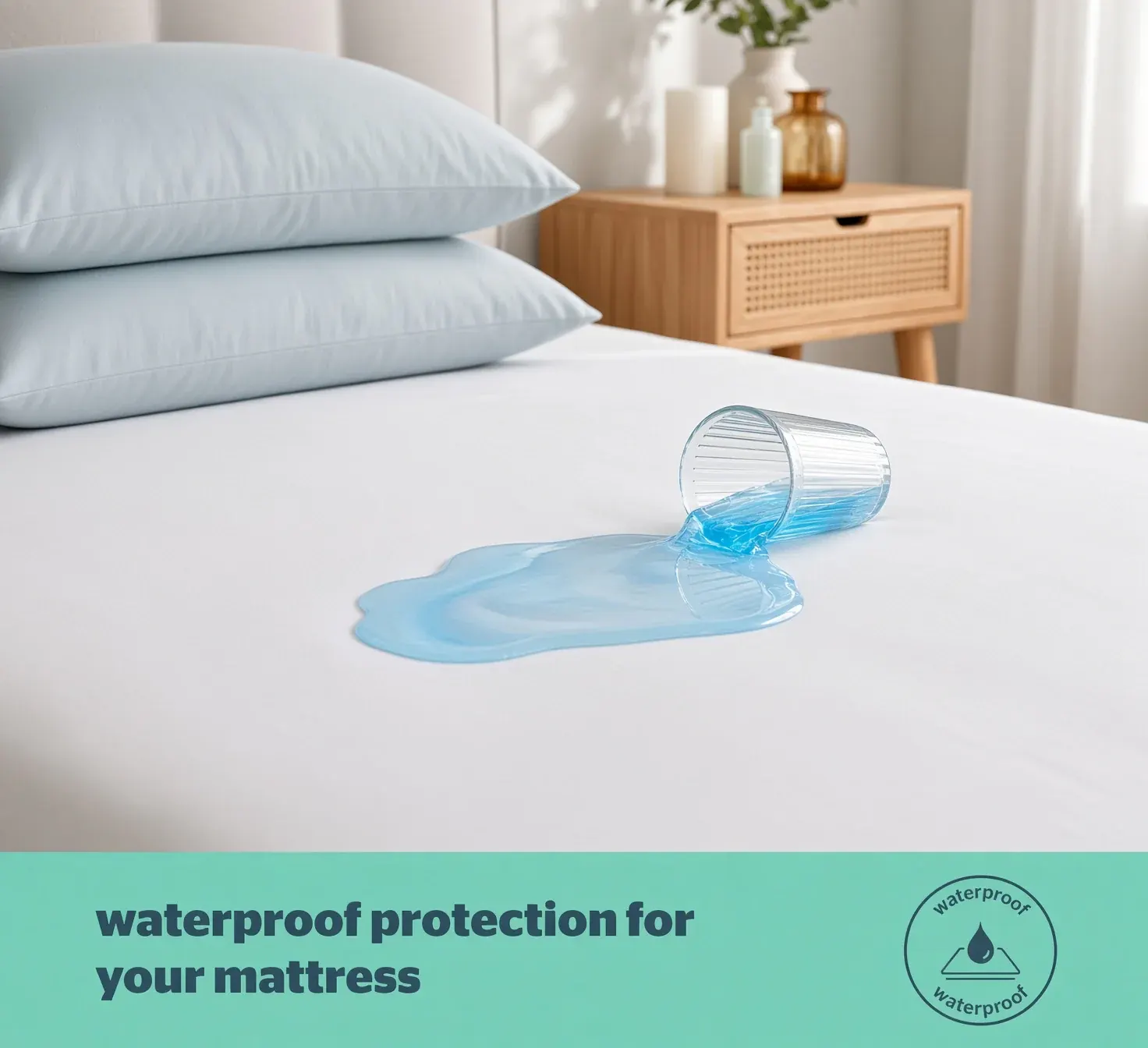
A waterproof protector stops spills, sweat and accidents from reaching the mattress, and unlike most mattresses it can go in the washing machine. Check the depth of your mattress first: the protector’s fitted skirt needs to be deep enough to grip the sides, including any topper.
How to vacuum and refresh a mattress
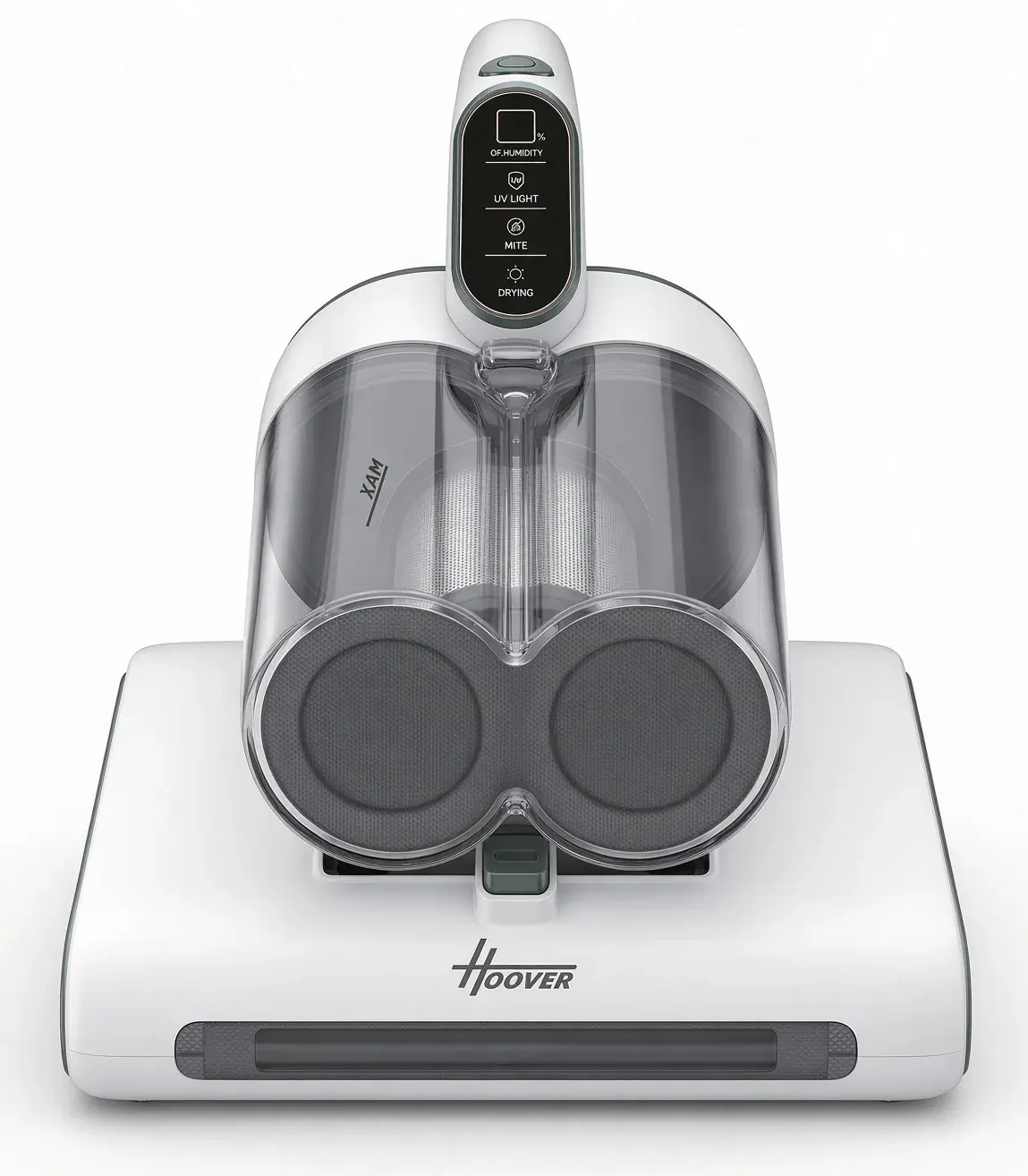
Vacuuming every month or two removes surface dust and debris. A dedicated mattress vacuum is designed for the job, but a household vacuum with a clean upholstery tool also works.
- Strip the bed and wash the bedding first.
- Vacuum the top and sides slowly, paying attention to seams and edges.
- Air the mattress, ideally with a window open, before remaking the bed.
Dealing with spills and stains
Blot liquid straight away and avoid soaking the mattress: moisture trapped in the filling can lead to mould and odours. Use as little cleaning solution as possible, check the mattress manufacturer’s care guidance, and let it dry completely before covering it.
For accidents involving pets, see our pet hair and stain cleaning products; for other machines, see our cleaning machines.
Frequently asked questions
Can I use a carpet cleaner on a mattress?
It is best avoided unless the mattress manufacturer says otherwise, because it can leave the filling damp. Surface cleaning and a waterproof protector are safer options.
How often should I wash a mattress protector?
Follow its care label. Many people wash it every few weeks, and straight away after a spill or accident.